Understanding the Different Types of Safety Glass
In today’s construction and automotive industries, safety is paramount — and the right choice of glass can make all the difference. This article explores the different types of safety glass, specifically laminated and tempered glass. By understanding their properties, uses, and benefits, you can make informed decisions for your safety needs.
What is Laminated Glass?
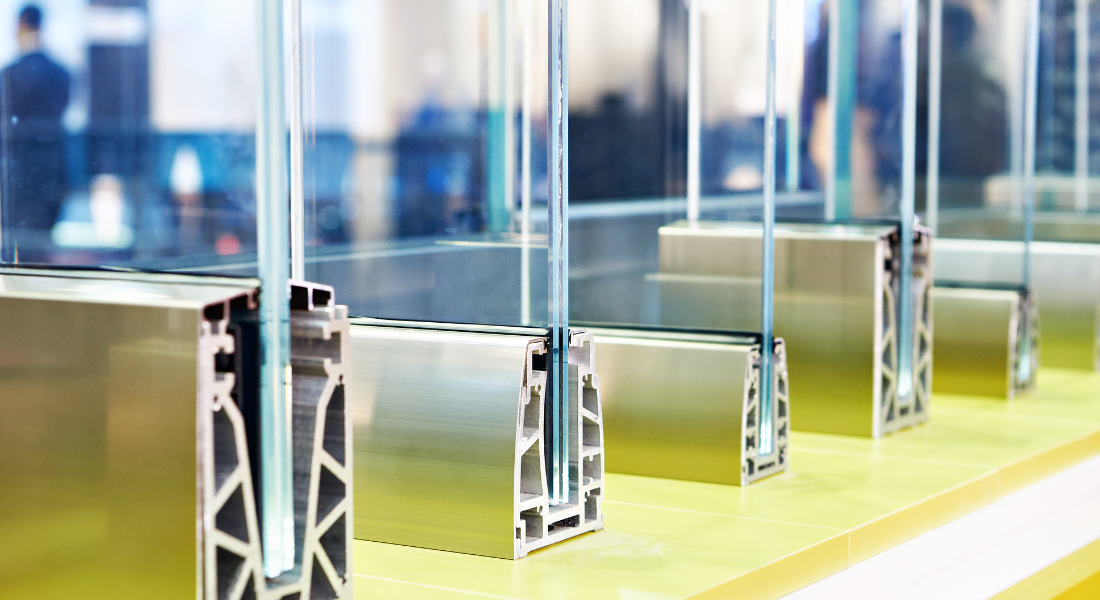
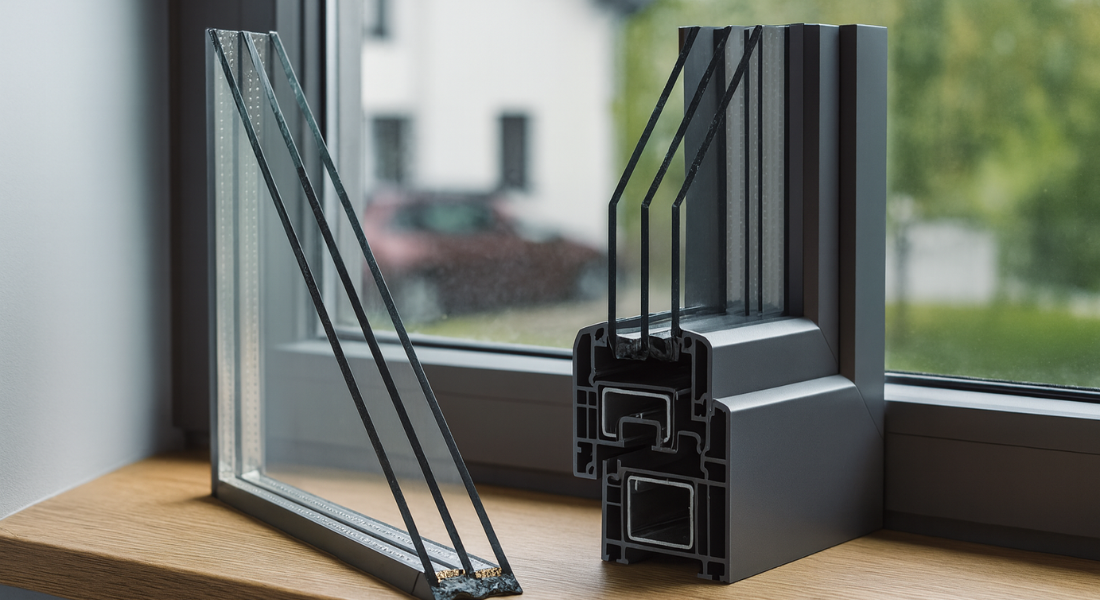
Laminated glass is a type of safety glass that consists of two or more layers of glass bonded together with an interlayer, typically made of polyvinyl butyral (PVB). This construction makes laminated glass highly durable and impact-resistant.
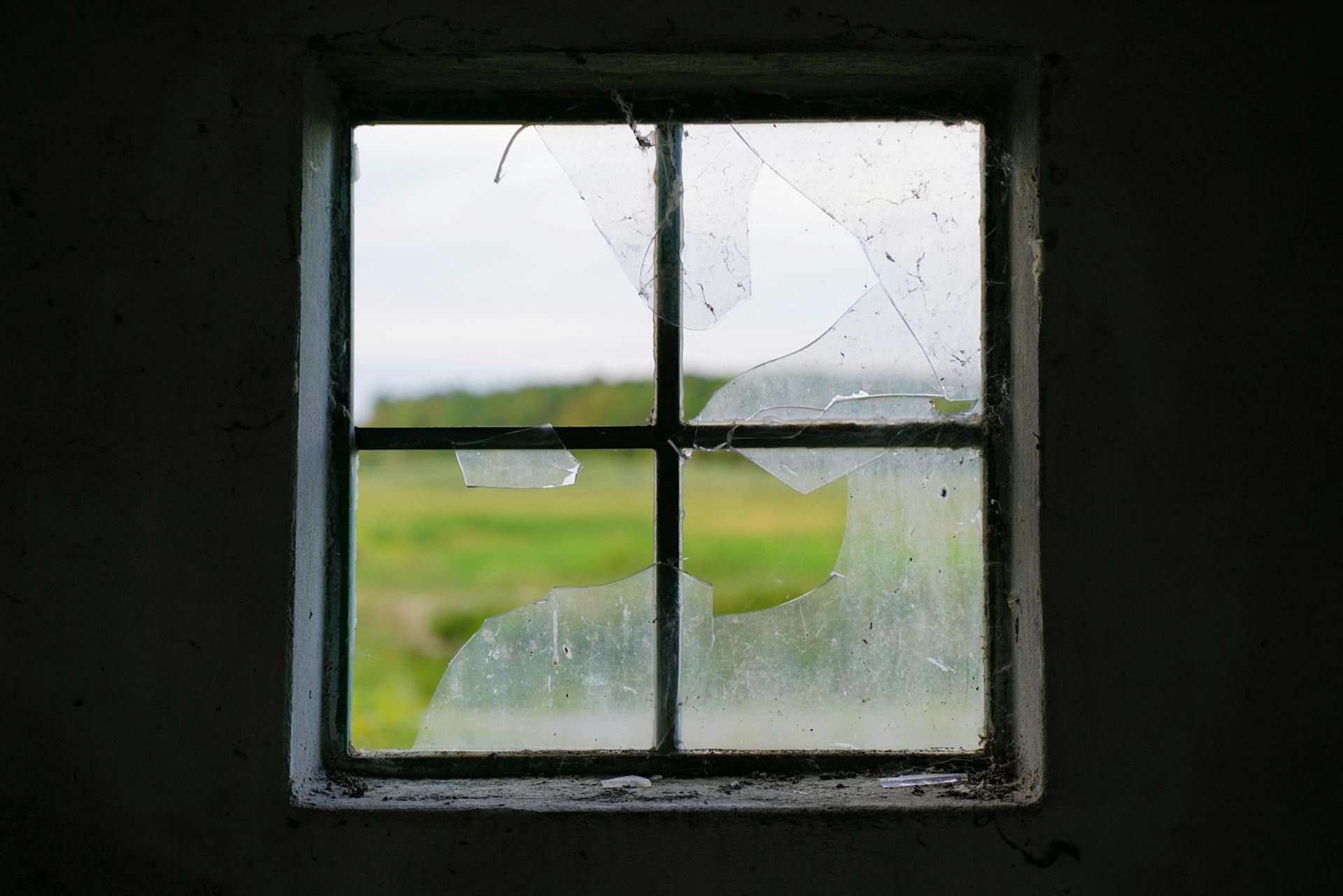
Laminated glass is designed to hold together when shattered. The interlayer keeps the layers of glass bonded even when broken, reducing the risk of injury from sharp shards. This characteristic makes laminated glass a preferred choice for windshields, skylights, and other applications where safety is a concern.
How is Laminated Glass Made?
Laminated glass is created by sandwiching an interlayer of polyvinyl butyral (PVB) between two sheets of glass. The glass layers and interlayer are then subjected to heat and pressure, which causes the interlayer to bond with the glass.
The process begins with molten glass, which is carefully formed and cooled before being laminated. In some applications, heat strengthened glass is used in combination with laminated glass to provide enhanced durability and resistance to thermal stress. Heat strengthened glass undergoes a controlled heating and cooling process, making it approximately twice as strong as regular annealed glass. When combined with lamination, it offers improved safety and structural integrity, making it ideal for architectural and automotive applications.
Additionally, tinted glass can be used in laminated glass to enhance aesthetics and functionality. Tinted glass helps reduce glare and heat transmission, making it a popular choice for windows in buildings and vehicles. It also provides UV protection and enhances privacy while maintaining visibility.
This process not only increases the strength of the glass but also enhances its safety features. The interlayer acts as a barrier that holds the glass in place even when it breaks, preventing sharp shards from causing injuries.
What is Tempered Glass?
Tempered glass, also known as toughened glass, is another type of safety glass that is created by heating standard glass to a high temperature and then rapidly cooling it. This process, known as tempering, makes the glass much stronger than ordinary glass.
Tempered glass is designed to break into small, blunt pieces rather than sharp shards, significantly reducing the risk of injury. This type of glass is often used in areas where safety and strength are crucial, such as in shower doors, glass doors, and storefronts.
How is Tempered Glass Made?
Tempered glass is produced through a process of extreme heating and rapid cooling. Ordinary glass is heated to over 600 degrees Celsius and then quickly cooled using air jets. This rapid cooling process compresses the outer surfaces of the glass, significantly increasing its tensile strength and making it up to five times stronger than regular annealed glass.
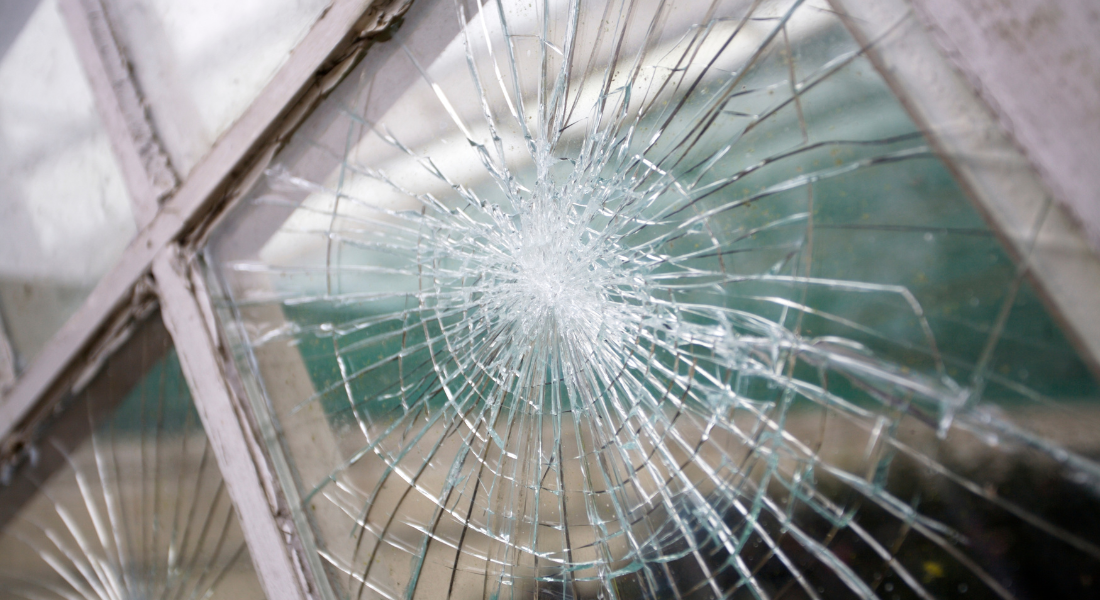
The tempering process also alters the breaking pattern of the glass. When tempered glass breaks, it shatters into small, blunt pieces rather than large, sharp shards, making it a safer option in many applications. Additionally, tempered glass has improved fire ratings compared to regular glass, providing better resistance to high temperatures and making it suitable for use in environments where fire safety is a concern.
Laminated Glass vs. Tempered Glass: Key Differences
When comparing laminated glass vs. tempered glass, several key differences emerge. Laminated glass holds in place even when shattered, thanks to its interlayer, whereas tempered glass breaks into small, blunt pieces.
In terms of strength, tempered glass is up to five times stronger than regular glass and can withstand higher impacts. Laminated glass, on the other hand, is less prone to complete shattering, providing continuous protection even when cracked.
Safety Features of Laminated Glass
Laminated safety glass offers several features that make it an ideal choice for various applications. Its primary safety feature is the PVB interlayer, which holds the glass layers together even when broken, reducing the risk of injury from sharp shards.
Additionally, laminated glass provides excellent sound insulation and UV protection. The interlayer absorbs sound waves and blocks harmful UV rays, making it a popular choice for windows and facades in buildings.
Safety Features of Tempered Glass
Tempered glass is also known for its exceptional safety features. The tempering process makes it significantly stronger than ordinary glass, allowing it to withstand high impacts without breaking.
When tempered glass does break, it shatters into small, blunt pieces rather than sharp shards, reducing the risk of injury. This makes it a safe choice for applications where human contact is likely, such as in doors, windows, and glass railings.
Applications of Laminated Glass
aminated glass is widely used in applications where safety and security are paramount. Its ability to hold together when shattered makes it ideal for windshields, skylights, and overhead glazing. Laminated glass is also used in hurricane-resistant windows, providing protection against flying debris during storms.
In addition to its safety features, laminated glass offers excellent sound insulation and UV protection, making it a popular choice for residential and commercial buildings.
Applications of Tempered Glass
Tempered glass is often used in applications where strength and safety are critical. Its high impact resistance makes it suitable for shower doors, glass doors, and storefronts. Tempered glass is also used in windows and glass walls in high-traffic areas, providing added safety and durability.
Additionally, tempered glass is used in furniture, such as glass table tops and shelves, where its strength and safety features are particularly beneficial.
Choosing Between Laminated and Tempered Glass: Factors to Consider
When choosing between laminated and tempered glass, several factors should be considered. These include the specific application, safety requirements, and environmental conditions.
Laminated glass is ideal for applications where continuous protection is needed, such as in windshields and hurricane-resistant windows. Its ability to hold together when shattered provides added security and reduces the risk of injury.
Tempered glass, on the other hand, is better suited for applications where strength and impact resistance are crucial. Its ability to shatter into small, blunt pieces makes it a safer option in areas where human contact is likely, such as in doors and windows.
Summary
- Laminated Glass: Made by bonding layers of glass with an interlayer of polyvinyl butyral (PVB). Holds together when shattered, reducing the risk of injury from sharp shards. Provides excellent sound insulation and UV protection. Ideal for windshields, skylights, and hurricane-resistant windows.
- Tempered Glass: Created by heating ordinary glass to a high temperature and then rapidly cooling it. Stronger than regular glass and shatters into small, blunt pieces when broken, reducing the risk of injury. Ideal for shower doors, glass doors, and storefronts.
- Key Differences: Laminated glass holds in place when shattered, providing continuous protection. Tempered glass is stronger and shatters into small, blunt pieces, reducing the risk of injury. Consider the specific application, safety requirements, and environmental conditions when choosing between the two.
- Applications: Laminated glass is used in windshields, skylights, and hurricane-resistant windows. Tempered glass is used in shower doors, glass doors, and storefronts.
- Safety Features: Laminated glass offers continuous protection and sound insulation, while tempered glass provides high impact resistance and reduces the risk of injury.
Understanding the differences between laminated and tempered glass is essential for making informed decisions in both residential and commercial applications. Each type of glass offers unique benefits and safety features, ensuring the right choice for your specific needs.
FAQ
What Type of Safety Glasses are Used for Plasma Cutting?
For plasma cutting, the most appropriate type of safety glasses are those designed specifically to protect against the intense light and UV radiation produced by the cutting process. These are often referred to as "plasma cutting glasses" or "plasma goggles." They feature lenses with a dark tint and are rated to filter out harmful UV and infrared radiation. The shade number of the lens typically ranges from 5 to 14, with higher numbers providing greater protection for more intense cutting operations. Additionally, they often have wrap-around designs to offer comprehensive protection against sparks and debris.
What Type of Symmetry Do Safety Glasses Have?
Safety glasses generally exhibit bilateral symmetry, meaning they are designed to be symmetrical around the central vertical axis that runs through the middle of the nose bridge. This ensures that they fit evenly and comfortably on the face, providing equal protection to both eyes. The bilateral symmetry allows for a balanced distribution of weight and pressure, which enhances comfort during extended wear. Additionally, this symmetry helps ensure that the glasses remain properly aligned and do not shift easily, maintaining optimal protection at all times.
What Type of Safety Glasses is Worn in the Oilfield?
In the oilfield, workers typically wear safety glasses that are designed to protect against multiple hazards such as flying debris, chemical splashes, and harmful UV radiation. These safety glasses are often made from durable materials like polycarbonate, which is impact-resistant and provides clear visibility. Many oilfield safety glasses come with additional features such as:
- Anti-fog coatings: To prevent fogging in humid or fluctuating temperatures.
- Side shields: For extra protection against particles and debris entering from the sides.
- Adjustable and comfortable fit: Ensuring they can be worn comfortably for long shifts.
- UV protection: To safeguard eyes from the harmful effects of prolonged exposure to sunlight.
These glasses may also include prescription lenses for workers who require vision correction, ensuring they can see clearly while maintaining eye safety.