February 13, 2026
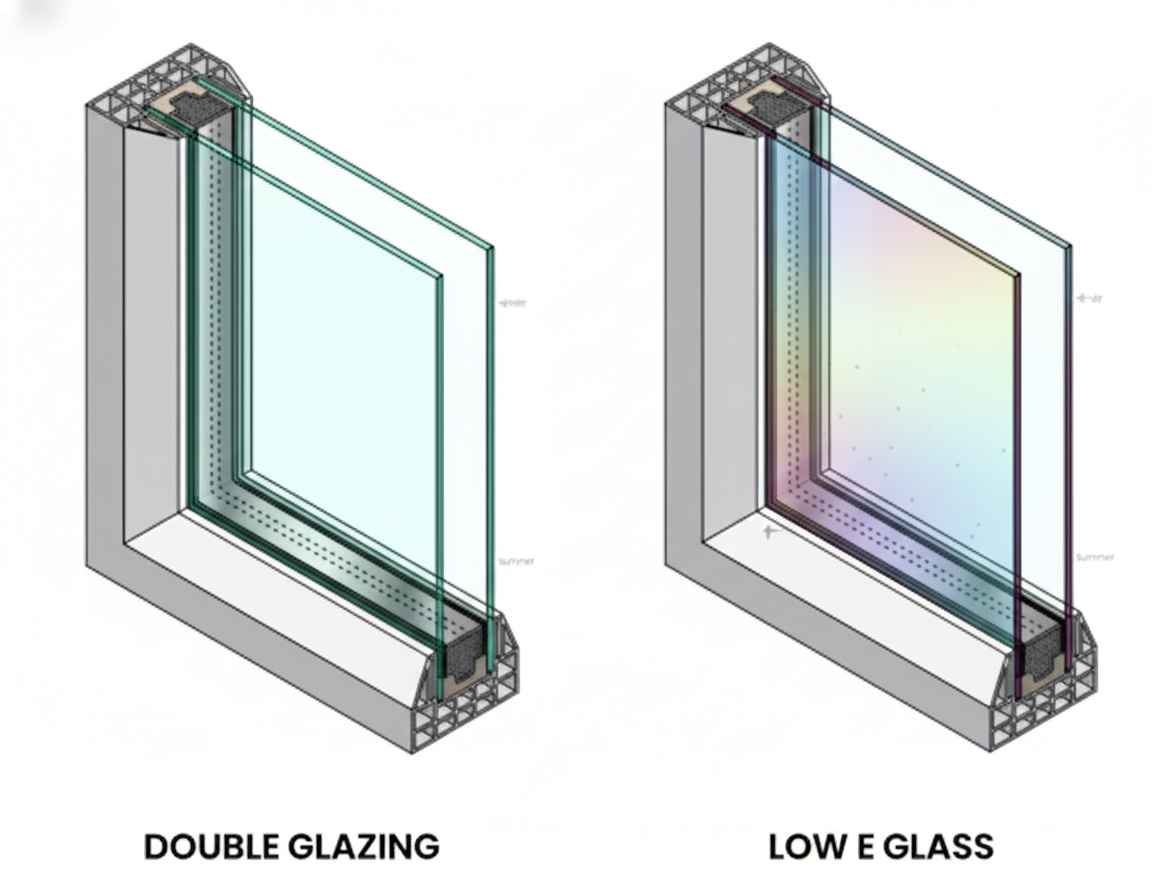
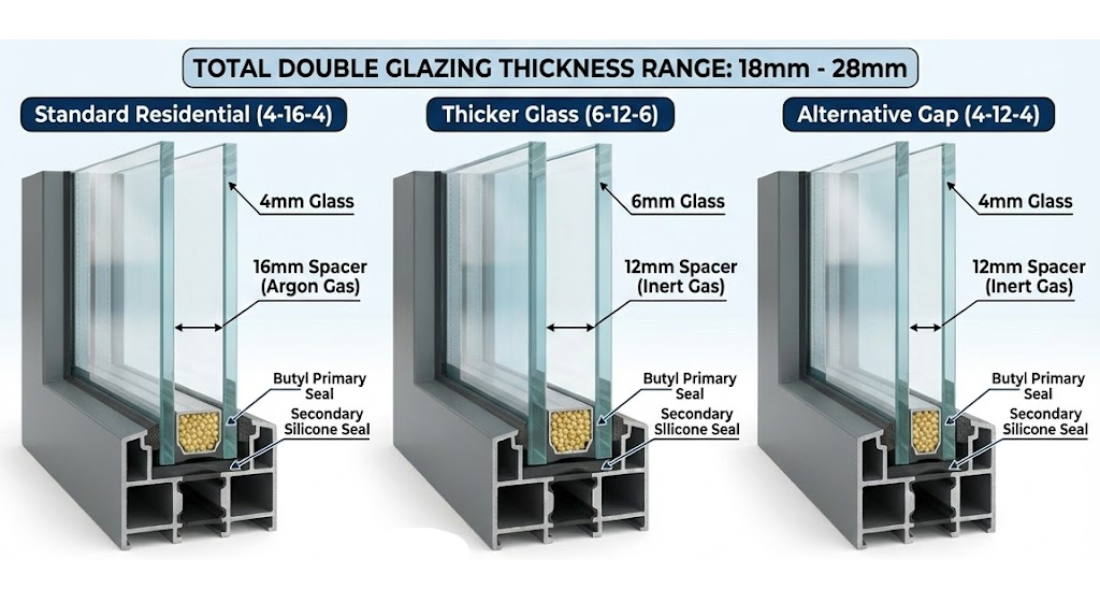
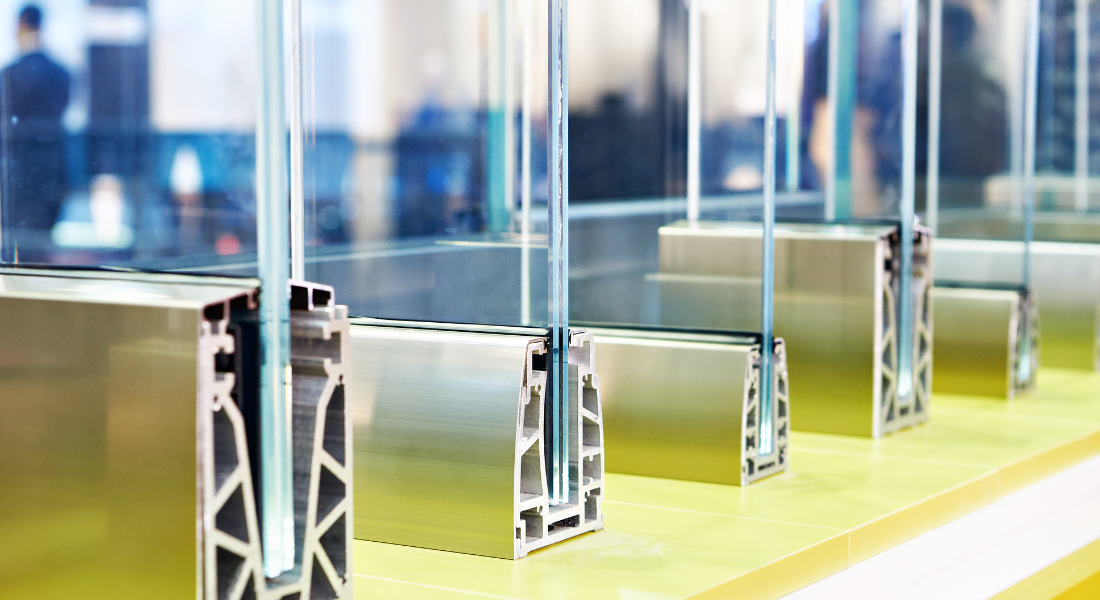
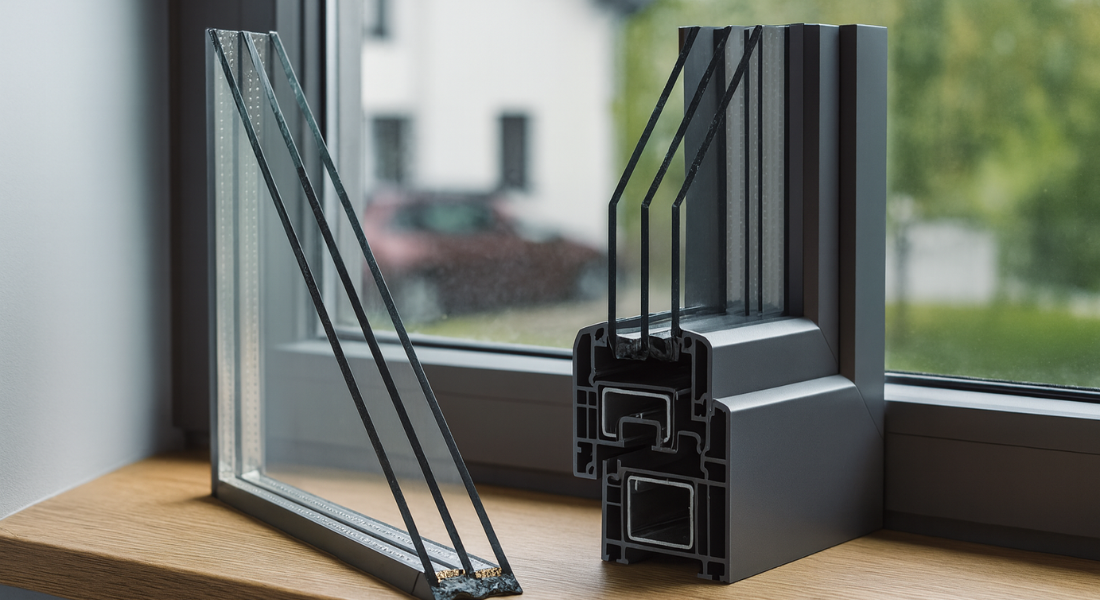
Choosing the right windows and doors for your home significantly impacts energy efficiency, comfort, and long-term energy costs. Two popular energy-efficient glass options dominate the market: low-e glass and double-glazed windows. Understanding low-e glass vs double glazing—and recognizing that these technologies can work together—helps you make informed decisions about window upgrades. This comprehensive guide explains what each technology offers, compares their advantages and disadvantages, and reveals why low-e glass and double-glazed windows often combine to create the most energy-efficient windows available. Whether you're building new construction or upgrading existing windows, understanding these glass options will help you reduce your home's energy usage while improving comfort. What Is Low-E Glass and How Does It Work? Low-e glass features a microscopically thin, transparent coating designed to minimize the amount of ultraviolet and infrared light that passes through while allowing visible light to enter. The term "low-e" stands for low emissivity, referring to the coating's ability to reflect heat. This specialized coating typically consists of metallic oxide layers applied to the glass surface during manufacturing. The low-e coating works by reflecting radiant heat while remaining virtually invisible to the naked eye. In winter, the coating reflects heat from your home back inside, reducing heat loss through windows. During summer, it reflects heat from the sun away from your home, reducing solar heat gain and keeping interiors cooler. This selective filtering makes low-e windows highly effective at improving insulation without sacrificing natural light. The performance of low-e glass is measured by several factors, including U-value (measuring insulation effectiveness) and solar heat gain coefficient (measuring solar heat transmission). Low-e glass provides superior thermal performance compared to standard uncoated glass, potentially reducing energy lost through windows by 30-50%. This translates directly to energy savings on heating and cooling costs throughout the year. What Is Double Glazing and Why Is It Energy-Efficient? Double-glazed windows consist of two panes of glass separated by a spacer bar with a sealed air gap or inert gas between them. This construction creates an insulated glass unit that significantly improves thermal performance over single-pane windows. The gap between the two panes acts as an insulation barrier, reducing heat transfer between the interior and exterior environments. Modern double-glazed windows often fill this space with argon or other inert gases, which insulate better than air due to lower thermal conductivity. The two sheets of glass, combined with the gas-filled space, create an effective barrier against heat loss in winter and heat gain in summer. Double-glazed windows are an energy-efficient sealed glass unit that also provides additional benefits beyond thermal performance. The dual-pane construction reduces noise pollution from outside, creating quieter interior spaces. The insulated glazing unit also reduces condensation on interior glass surfaces, preventing moisture problems and improving visibility. These combined benefits make double-glazed windows a popular choice for residential and commercial buildings seeking improved comfort and efficiency. Can You Combine Low-E Glass and Double-Glazed Windows? The comparison of low-e glass vs double-glazed is somewhat misleading because these aren't mutually exclusive options—they actually work best together. Low-e glass and double-glazed windows represent complementary technologies that combine to maximize energy efficiency. Most modern energy-efficient windows feature both technologies: a double-glazed glass construction with low-e coating applied to one or more glass surfaces within the insulated glass unit. This combination leverages the insulative properties of the dual-pane design while adding the radiant heat reflection benefits of the low-e coating. The result is an energy-efficient sealed glass unit that outperforms either technology alone. When installing low-e coating in double-glazed windows, manufacturers typically apply it to specific surfaces depending on the desired performance. For primarily heating climates, coating is often applied to the interior surface of the outer pane, reflecting indoor heat back inside. For cooling-dominated climates, the coating may be positioned to better reflect outdoor solar heat. This flexibility allows optimization for different climate conditions, making low-e glass and double-glazed windows adaptable to various regional requirements. How Does Low-E Glass Compare to Standard Double Glazing? When evaluating low-e glass vs double glazing without coatings, low-e glass is better at controlling radiant heat transfer. Standard double-glazed windows without low-e coating provide good insulation through the air or gas gap but cannot reflect radiant heat as effectively. A standard double-glazed window might achieve a U-value of 0.30-0.35, representing decent thermal performance. Adding low-e coating to the same double-glazed glass unit can improve the U-value to 0.20-0.25 or better, representing a significant increase in insulation effectiveness. This improvement means less energy loss through windows and reduced demands on heating and cooling systems. The solar heat gain coefficient also differs significantly. Standard double glazing allows more solar heat gain, which might be desirable in cold climates but problematic in warm regions. Low-e glass provides better control over solar heat gain, with different coating types optimized for either maximizing or minimizing heat from the sun, depending on climate needs. This control makes low-e glass better than standard double glazing for most applications, especially in climates with significant heating or cooling requirements. What Are the Energy Savings Benefits of Low-E Windows? The benefits of low-e coating translate directly to measurable reductions in energy costs and improved home comfort. Understanding these advantages helps justify the investment in upgrading to low-e windows. Energy efficiency improvements from low-e glass can reduce heating and cooling costs by 15-30% compared to standard single-pane windows, and 10-15% compared to uncoated double-glazed windows. These energy savings accumulate over the window's lifetime, often recouping the initial cost premium within 7-10 years through reduced energy usage. In extreme climates with significant heating or cooling demands, payback periods may be even shorter. Beyond direct energy savings, low-e windows improve comfort by maintaining more consistent indoor temperatures. The coating reduces cold spots near windows during winter and hot spots during summer, creating more uniformly comfortable living spaces. Low-e glass also blocks up to 70% of UV radiation, protecting furniture, flooring, and artwork from fading—a valuable secondary benefit that standard glazing cannot provide. These comfort and protection benefits add value beyond simple energy cost reduction. How Does Low-E Glass Insulate Your Home? Understanding how low-e coating enhances insulation helps explain why it's superior to standard glass options. The technology works by addressing radiant heat transfer, which accounts for significant energy loss in standard windows. Windows lose and gain heat through three mechanisms: conduction, convection, and radiation. Double-glazed construction addresses conduction and convection by creating an air gap between two panes that slows heat transfer. However, radiant heat—infrared energy that travels as electromagnetic waves—passes through standard glass relatively easily. Low-e coating specifically targets this radiant heat transfer by reflecting infrared energy while remaining transparent to visible light. The coating acts like a selective mirror: it reflects long-wave infrared radiation (heat) while transmitting short-wave visible light. This selectivity means low-e glass provides excellent thermal insulation without significantly reducing natural daylighting. The glass unit maintains clarity and light transmission while dramatically improving thermal performance. This is why low-e glass might appear identical to standard glass visually, yet perform dramatically better thermally. The insulation benefits compound in climate-controlled buildings, reducing the load on HVAC systems year-round. What Are the Different Types of Low-E Glass Coatings? Not all low-e glass is identical—different coating types optimize for different climate conditions and performance priorities. Understanding these variations helps select the better choice for your specific situation. Passive low-e coatings are designed primarily for cold climates, maximizing solar heat gain during winter while still providing some insulation. These coatings allow more heat from the sun to enter while reflecting interior heat back inside, reducing heating costs. The solar heat gain coefficient is relatively high (typically 0.40-0.55), making them ideal for homes in heating-dominated climates where winter solar warming is beneficial. Solar control low-e coatings prioritize blocking solar heat gain, making them better for warm climates or buildings with significant cooling loads. These coatings reflect more solar radiation away from the building while still providing excellent insulation against conducted and radiated heat. The solar heat gain coefficient is lower (typically 0.25-0.40), reducing cooling costs in hot climates. Some advanced low-e glass options offer intermediate performance, providing balanced characteristics suitable for mixed climates with both heating and cooling seasons. What Are the Disadvantages of Low-E Glass? While low-e glass offers numerous advantages, understanding potential drawbacks ensures realistic expectations and appropriate applications. No technology is perfect for every situation. Cost represents the primary disadvantage. The cost of installing low-e windows typically exceeds standard double glazing by 10-20%, though prices vary by manufacturer and installation requirements. This upfront premium requires weighing against long-term energy savings to determine value. In mild climates with minimal heating or cooling needs, the extended payback period might make low-e glass less economically attractive than in extreme climates. Some low-e coatings may slightly reduce visible light transmission compared to standard glass—typically by 5-10%. While this reduction is minimal and often imperceptible, it can matter in applications where maximum natural light is critical. Additionally, certain low-e coatings give glass a subtle tint—often very slightly greenish or bluish—that some homeowners find objectionable, though modern formulations have minimized this effect. Finally, the reflective properties that make low-e glass energy efficient can sometimes create slight interior reflections at night when rooms are lit, though this is generally considered a minor inconvenience. How Do You Choose Between Glass Options for Your Home? Selecting the right glazing for your situation requires evaluating climate, budget, priorities, and building characteristics. Several factors influence which glass is better for your specific needs. Climate is the primary consideration. In cold climates with significant heating loads, passive low-e glass and double-glazed windows combined provide excellent performance, reducing heat loss while allowing beneficial solar gain. In hot climates, solar control low-e glass better manages cooling costs by reflecting unwanted solar heat gain. Mixed climates benefit from moderate low-e formulations that balance heating and cooling season performance. Understanding your local heating versus cooling degree days helps determine the optimal glass that could provide the best year-round performance. Budget constraints influence decisions significantly. If resources are limited, prioritizing double-glazed construction provides substantial improvement over single-pane windows at moderate cost. Adding low-e coating provides incremental improvement that may or may not justify the additional expense, depending on energy costs and climate extremes. For new construction or whole-house window replacement, the cost difference between standard double glazing and low-e glass is often modest relative to total project costs, making low-e glass and double-glazed windows the better choice. For single-window replacements or retrofits, evaluating payback on a per-window basis helps determine if low-e coating justifies its premium. How Do Low-E Windows Perform in Different Seasons? Understanding seasonal performance variations helps set appropriate expectations and maximize the benefits of low-e glass technology throughout the year. During winter, low-e windows excel at retaining interior heat. The coating reflects radiant heat from room surfaces and heating systems back into living spaces rather than allowing it to escape through glass. This significantly reduces heat loss compared to standard double glazed windows, lowering heating costs and improving comfort near windows. In heating-dominated climates, passive low-e formulations also allow solar heat gain during sunny winter days, providing free heating that further reduces energy costs. The dual benefit of reduced heat loss and increased passive solar gain makes low-e glass particularly valuable in cold climates. Summer performance depends on the coating type selected. Solar control low-e glass reflects heat from the sun before it enters the building, reducing cooling loads and improving comfort. This is especially valuable on west and south-facing windows that receive intense afternoon sun. The coating also blocks UV light that would otherwise heat interior surfaces and fade furnishings. Even in summer, the insulative properties of low-e glass and double-glazed construction help maintain stable interior temperatures by reducing heat transfer in both directions. This year-round versatility makes low-e windows suitable for most climates, providing heating season benefits in winter and cooling season benefits in summer. Frequently Asked Questions About Low-E Glass vs Double Glazing 1. Is low-e glass worth the extra cost compared to standard double glazing? In most cases, yes. The energy savings from low-e coating typically justify the 10-20% cost premium over standard double glazing within 7-10 years through reduced heating and cooling costs. In extreme climates or homes with high energy costs, payback can be even faster. The UV protection and comfort improvements provide additional value beyond energy savings. 2. Can you add low-e coating to existing double-glazed windows? Low-e coating must be applied during manufacturing and cannot be effectively added to existing windows. However, low-e window film products can be applied to existing glass as a retrofit option, though they provide less performance than factory-applied coatings. For maximum benefit, replacement with new low-e glass and double-glazed windows is necessary. 3. Does low-e glass reduce natural light in my home? Modern low-e glass reduces visible light transmission by only 5-10% compared to standard glass—a difference that's barely noticeable in most applications. The coating is designed to reflect infrared and UV radiation while allowing visible light to pass through, maintaining bright, naturally-lit interiors while improving energy efficiency. 4. Which is more important: low-e coating or double glazing? Double glazing provides the foundation of thermal performance, while low-e coating enhances it. If you must choose one, double glazing delivers greater improvement over single-pane windows. However, for optimal performance, combining both technologies in low-e glass and double-glazed windows provides the best energy efficiency and comfort. 5. How long does low-e coating last? Factory-applied low-e coating is extremely durable and typically lasts the lifetime of the window—20-30+ years. The coating is sealed within the insulated glass unit, protecting it from weather and wear. Quality low-e windows maintain their thermal performance indefinitely with proper installation and maintenance. 6. Does low-e glass work with all window frame materials? Yes, low-e glass can be used with any frame material, including vinyl, wood, aluminum, or fiberglass. The frame choice affects overall window performance through its own insulation properties, but low-e glass provides benefits regardless of frame material. For maximum efficiency, combine low-e glass with energy-efficient frames featuring good thermal breaks. Keep Your Low-E and Double-Glazed Windows Looking Crystal Clear Upgrading to low-e glass or double-glazed windows is a smart investment—but many homeowners don’t realize something important: Even the most energy-efficient window won’t look or perform its best if the glass is constantly covered in haze, smudges, hard water stains, or glazing residue. Low-e coatings can also make certain streaks and fingerprints more noticeable in bright sunlight. And if you’ve recently installed new windows, you may notice light fogging, construction dust, or smears around the glazing that don’t come off with regular household cleaners. That’s why proper window cleaning matters—not just for appearance, but for maintaining clear visibility and protecting the glass long-term. If you want to keep your windows spotless without damaging the surface or leaving streaks behind, check out our next guide: How to Clean Glass and Remove Window Glazing Smudges: Step-by-Step Guide Key Takeaways: Essential Points About Low-E Glass vs Double Glazing Low-e and double glazing work together : These aren't competing technologies—the best energy-efficient windows combine low-e coating with double-glazed construction for maximum performance Low-e coating reflects radiant heat : The microscopic metallic coating reflects infrared energy while transmitting visible light, reducing heat loss in winter and heat gain in summer Double glazing provides structural insulation : Two panes separated by a spacer with inert gas create an insulation barrier that reduces heat transfer through conduction and convection Climate determines optimal coating type : Passive low-e suits cold climates by allowing solar gain, while solar control low-e better serves warm climates by blocking solar heat Energy savings justify the investment : Low-e windows typically reduce energy costs by 15-30% compared to single-pane windows, with payback periods of 7-10 years in most climates UV protection is a valuable bonus : Low-e glass blocks up to 70% of UV radiation, protecting furnishings from fading, while standard double glazing cannot Cost premium is modest : Low-e glass typically costs 10-20% more than standard double glazing—a small increase that delivers significant long-term value Light transmission remains excellent : Modern low-e coatings reduce visible light by only 5-10%, maintaining bright interiors while dramatically improving thermal performance Multiple performance benefits compound : Beyond energy savings, low-e windows improve comfort, reduce noise pollution, minimize condensation, and protect interior furnishings Professional installation matters : Proper installation ensures the sealed glass unit maintains its insulation, and the low-e coating performs as designed throughout the window's lifetime